

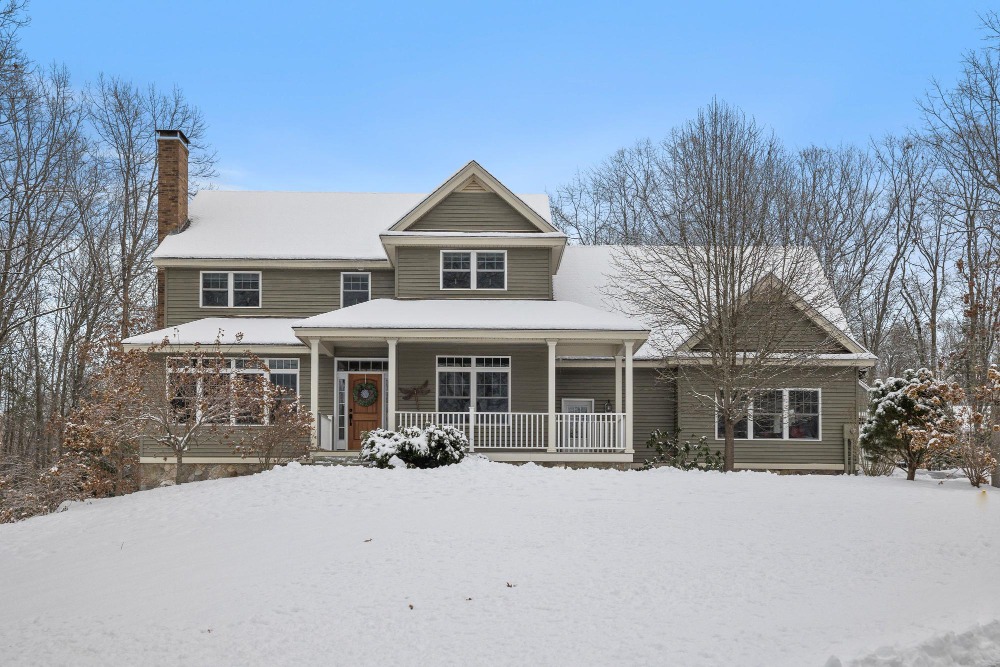
In the Pacific Northwest, we don’t just get a “cold snap.” We get months of relentless moisture followed by freezing temperatures that can turn a tiny hairline crack into a $10,000 disaster overnight. Whether you are overlooking the Puget Sound or bracing for the heavy snow in the Cascades, preparing your home for a Washington winter isn’t optional—it’s survival.
To keep your property safe, using a professional Home Maintenance Checklist is essential. Below, we break down the critical steps every Washingtonian needs to take before the freeze hits.
As a contractor, I see the same avoidable calls every January: “My pipes burst,” “My roof is leaking,” or “My furnace just died.”
To save you the headache (and the emergency call-out fees), I’ve put together this Winter-Ready Washington Checklist. If you follow these steps, you’ll keep your family warm and your bank account intact.
1. The “Wet-to-Ice” Roof Defense
In Washington, the weight of wet snow is a silent killer for older roofs. But even before the snow hits, the rain is your biggest enemy.
Gutter Hygiene is Non-Negotiable
If your gutters are clogged with those beautiful evergreen needles, water will back up. When that water freezes, it forms Ice Dams.
- The Damage: Ice dams push water under your shingles and into your drywall.
- The Fix: Clean them now. Ensure downspouts are diverting water at least 5 feet away from your foundation. In the PNW, a saturated foundation leads to “settling” and cracked basements.
Roof Inspection
Look for “losing granules” or moss. Moss acts like a sponge; it holds water against your roof. When that water freezes, it expands and rips your shingles apart. If you see a green carpet on your roof, call a pro to treat it before the first freeze.
2. Plumbing: The $5 Solution to a $5,000 Problem
A burst pipe is arguably the most traumatic (and expensive) common winter fail. In cities like Spokane or even the outskirts of Olympia, temperatures can drop fast.
Outdoor Faucets (Hose Bibbs)
This is the #1 mistake homeowners make.
- Disconnect your hoses: If you leave a garden hose attached, water stays trapped in the faucet. When it freezes, it expands back into the pipe inside your wall and bursts.
- Insulated Covers: Buy those $5 foam “mushrooms” at your local Home Depot or Lowe’s. It’s the cheapest insurance you’ll ever buy.
Insulate Exposed Pipes
If you have a crawlspace or an unheated garage, your pipes are vulnerable. Use foam pipe sleeves to wrap any copper or PEX lines. It takes 20 minutes and can save you from a flooded crawlspace.
3. HVAC: Don’t Get Left in the Cold
In Washington, we are seeing a massive shift toward Heat Pumps. Whether you have a traditional furnace or a modern mini-split, it needs a “physical” before December.
Change the Filters
It sounds simple, but a dirty filter makes your system work twice as hard. In the winter, this leads to “short-cycling,” which burns out your blower motor.
- Tip: If you have pets or a wood-burning fireplace, change them every 30 days during peak winter.
Check the Heat Pump’s Outdoor Unit
In the PNW, falling leaves and debris can clog the fins of your outdoor unit. If it can’t “breathe,” it can’t extract heat from the air. Clear a 2-foot perimeter around the unit.
4. The Envelope: Sealing the Leaks
Washington has some of the highest energy rates in the region, and heating a “leaky” house is like throwing money out the window.
Draft Detection
On a windy day, move a lit incense stick or a candle near your windows and doors. If the smoke flickers, you have a leak.
- Weatherstripping: Replacing the rubber seal at the bottom of your door can save you 10-15% on your heating bill.
- Recaulking: Check the exterior trim of your windows. If the caulk is cracked, rain will find its way into your wall studs.
Attic Insulation
Heat rises. If your attic isn’t insulated to at least R-49 (standard for Washington’s climate zone), your furnace is basically heating the squirrels outside.
5. Safety First: The “Hidden” Winter Risks
Since we spend 90% of our time indoors during a Washington winter, air quality and safety become paramount.
Smoke and CO Detectors
With the furnace running and more people using space heaters or fireplaces, the risk of fire and Carbon Monoxide (CO) poisoning increases.
- Test them now: Replace the batteries. CO is a silent killer because it’s odorless and colorless.
Chimney Sweep
If you use a wood stove or fireplace in your cozy PNW cabin, get it swept. Creosote buildup is the leading cause of chimney fires. A quick inspection from a certified sweep is worth the peace of mind.
6. The “Emergency Kit” for the Big One
Washingtonians know that a “little bit of snow” can paralyze the I-5 corridor for days. Power outages are common when windstorms hit the Douglas Firs.
Make sure you have:
- Flashlights and fresh batteries (Avoid candles; they are a fire hazard).
- 3 days of water and non-perishable food.
- A portable power bank to keep your phone charged for emergency alerts.
- A manual override for your garage door. If the power goes out, do you know how to pull the red cord to get your car out?
If you found this Home Maintenance Checklist helpful, you might also want to explore our guides on
or see our latest
for more expert advice. For official local safety guidelines, you can also check the website for energy assistance and winter safety programs.
Final Thoughts: Prevention is Cheaper than Repair
I always tell my clients: “A dollar spent in October saves a hundred in January.” Taking a weekend to go through this checklist won’t just keep your home safer; it will increase its value. When it comes time to sell, a home with a documented maintenance history in the Pacific Northwest is a buyer’s dream.
At Contindex, we’ve vetted the best HVAC techs, roofers, and plumbers in Washington who specialize in winterization. If you find a problem during your DIY inspection that looks too big to handle, don’t wait for the first snowstorm to call.
Stay warm, stay dry, and stay Winter-Ready!