

Homeowners in the Pacific Northwest face unique challenges that directly influence the Residential Pipe Replacement Cost in WA. From the acidic water of the Cascades to the specific labor regulations in King and Pierce counties, calculating a budget requires local expertise. This guide provides a comprehensive breakdown of what you can expect to pay for a full or partial repipe in 2026.
Understanding Residential Pipe Replacement Cost in WA
Replacing a home’s plumbing system is one of the most significant investments a property owner can make. In Washington, several regional factors create a pricing landscape that differs from the national average. High demand for skilled trades and strict environmental codes mean that preparation is key to avoiding overpayment.
On average, a full residential repipe in Washington ranges from $5,000 to $15,000. However, for larger multi-story homes in metropolitan areas like Seattle or Bellevue, costs can exceed $20,000. Understanding the variables behind these numbers will help you navigate the estimation process with confidence.
Material Choices and Residential Pipe Replacement Cost in WA
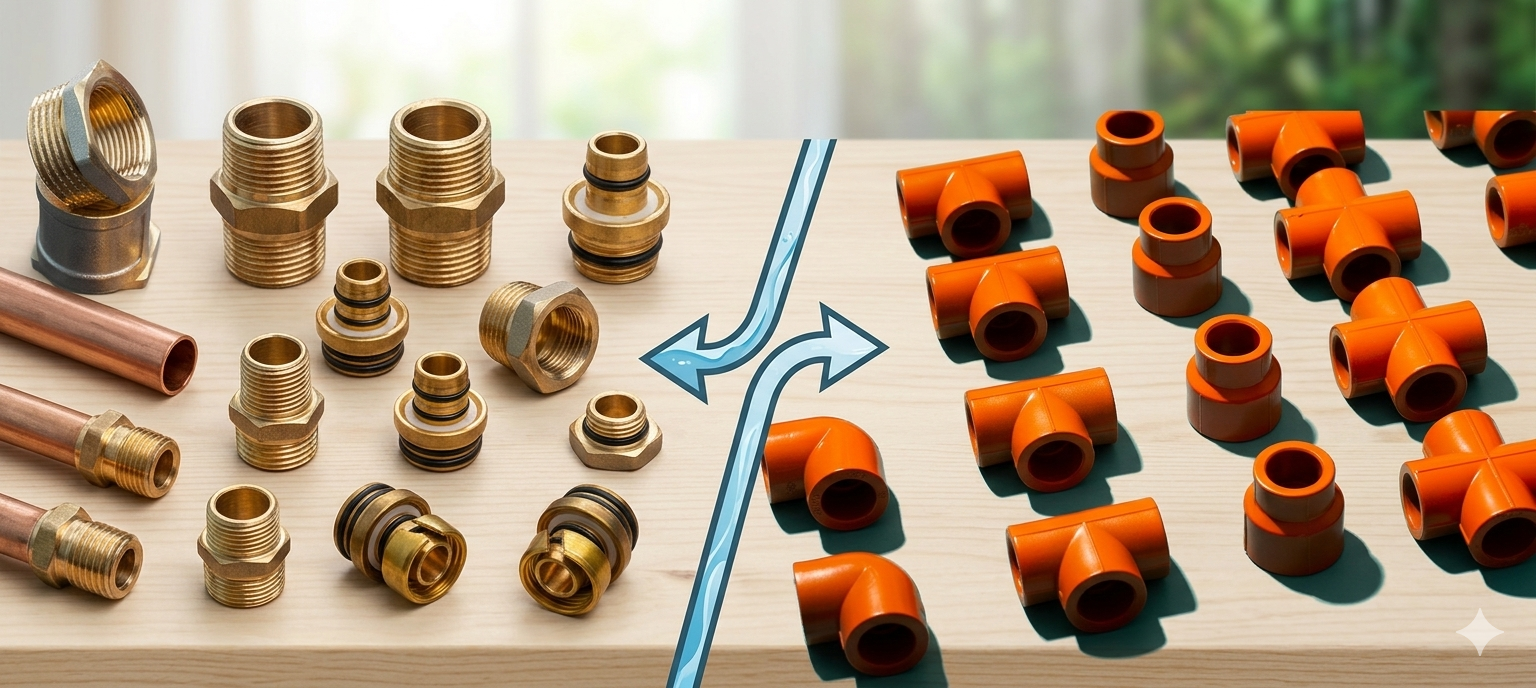
The type of material you choose is the primary driver of your total project expense. In the PNW, material selection is not just about price; it is about durability against local water conditions.
PEX Piping: The Cost-Effective Solution
PEX (cross-linked polyethylene) has become the gold standard for many Washington contractors. It is flexible, resistant to the scale buildup common in our region, and faster to install. Choosing PEX can reduce your Residential Pipe Replacement Cost in WA by approximately 25% to 40% compared to traditional metal piping.
Copper Pipes: Longevity vs. High Investment
Copper remains a premium choice for its longevity and natural antimicrobial properties. However, the raw material cost is significantly higher. Additionally, copper requires more intensive labor, as every joint must be soldered manually. If your home has highly acidic water, common in some rural Washington areas, copper may require additional water treatment systems to prevent “pinhole” leaks.
Labor Rates Affecting Residential Pipe Replacement Cost in WA
Geography plays a massive role in your final invoice. Labor rates in Washington are highly bifurcated. In the Puget Sound region, master plumbers often command higher hourly rates due to the increased cost of living and business operations.
Conversely, homeowners in Eastern Washington or more rural coastal counties may find lower labor quotes. However, these savings can sometimes be offset by higher “trip fees” if the contractor has to travel long distances to reach the job site. Always ask for a transparent breakdown of labor versus materials in your quote. To better understand these documents, you can review our guide on How to Read a Construction Estimate.
Hidden Factors Affecting Your Residential Pipe Replacement Cost in WA
Permit Fees and Washington State Regulations
You cannot legally replace the main plumbing lines in Washington without a permit. These fees vary by city and county but generally range from $200 to $800. For official fee schedules and safety standards, visit the Washington State Department of Labor & Industries.
Failing to secure these documents is a costly mistake. For instance, unauthorized work can lead to heavy fines and may even void your homeowners’ insurance. We recommend checking our detailed post on Plumbing Permits and Construction Liens to ensure your project stays within legal boundaries.
Structural Access and Demolition
A major portion of the Residential Pipe Replacement Cost in WA goes toward “behind-the-wall” access. If your home has lath and plaster walls or restricted crawlspaces, the labor time will double. Contractors must carefully remove and later patch these surfaces, which adds a significant layer to the final budget.
The Impact of the “PNW Effect” on System Choice
As we have discussed in previous articles, the local environment dictates the lifespan of your infrastructure. The soft water characteristic of our region can be surprisingly aggressive toward certain metals. When calculating your Residential Pipe Replacement Cost in WA, consider whether you need to add a neutralizer or filtration system. These additions might increase the initial cost by $1,500 to $3,000, but they protect your new pipes from premature corrosion.
How to Evaluate a Professional Quote
When you receive a bid for a repipe, look for more than just the bottom line. A professional quote should include:
- A clear list of materials (PEX-A, PEX-B, or Copper).
- Estimated timeline for completion.
- Warranty information on both labor and parts.
- Confirmation of who handles the permits and final inspections.
Working with an unlicensed or “cheap” contractor often leads to higher long-term costs. For a step-by-step strategy on vetting professionals, consult our Strategic Guide: How to Hire a Reliable Contractor.
Conclusion: Investing in Your Home’s Future
While the Residential Pipe Replacement Cost in WA may seem daunting, it is a necessary step to protect your property’s value. A modern plumbing system reduces the risk of catastrophic water damage and improves daily water quality. By choosing the right materials and hiring certified professionals, you ensure that your Washington home remains a safe and functional sanctuary for decades to come.