

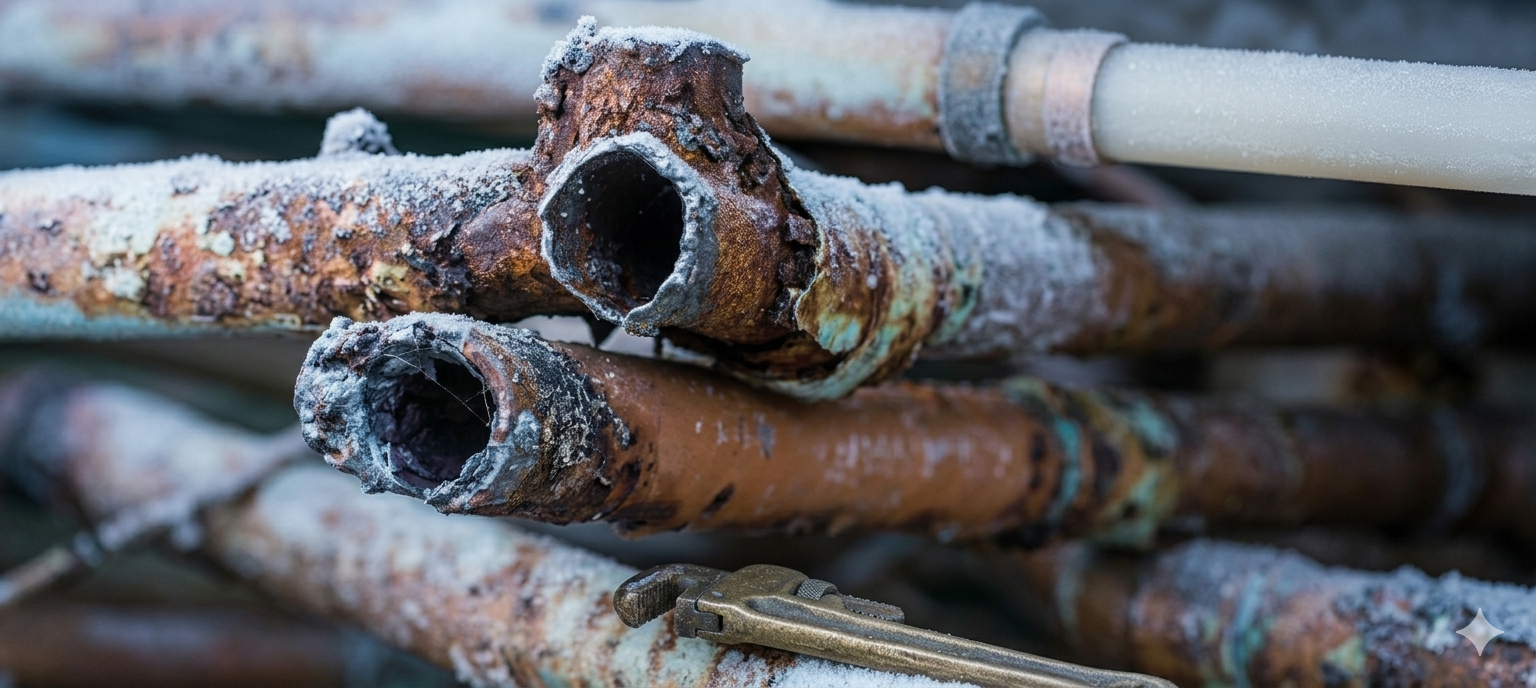
Homeowners in the Pacific Northwest often take their lush green landscapes for granted. However, the same environment creates unique challenges for residential infrastructure. Soft, acidic water and freezing winters act as a silent force. This unique environmental impact is known as the PNW Effect on Residential Plumbing. It directly dictates the lifespan of your pipes.
To protect your investment, you must understand how local variables like soil composition and water chemistry interact with your home’s plumbing system. Consequently, failure to adapt to the PNW Effect on Residential Plumbing can lead to premature pipe failure and thousands of dollars in avoidable repairs. For more context on managing these regional challenges, consult our Washington Homeowner’s Survival Guide.
1. The Chemistry of Soft Water: A Silent Threat to Copper Pipes
Unlike many parts of the country that deal with “hard water” (excess minerals), the Pacific Northwest is famous for its exceptionally soft water. While this is great for your skin and laundry, it represents a hidden danger for your plumbing. Soft water in the PNW is often naturally acidic, meaning it lacks the mineral deposits that usually create a protective layer inside pipes.
Because the water is “hungry” for minerals, it actively pulls copper and other metals from your pipes through a process called leaching. Over time, this leads to pitted corrosion, which manifests as tiny pinhole leaks. Therefore, if you live in an older home in Seattle or Tacoma, you should regularly inspect your copper lines for any greenish-blue oxidation around the joints.
2. Soil Acidity and the External Corrosion Factor
The environment outside your home is just as impactful as the water running inside it. PNW soil is notoriously acidic due to the high concentration of pine needles and consistent rainfall. Consequently, when metal pipes—especially older galvanized steel main lines—are buried in this soil, a chemical reaction occurs.
This external corrosion weakens the structural integrity of your main water line from the outside in. Furthermore, the high moisture content in our region keeps the soil in a constant state of flux. To prevent a catastrophic main line break, homeowners must consider transitioning to modern materials like PEX or HDPE, which remain immune to soil-based acidity.
3. Winter Maintenance and the PNW Effect on Residential Plumbing
While our winters are generally mild compared to the Midwest, the Pacific Northwest experiences frequent “flash freezes.” Because our infrastructure isn’t always built for sub-zero temperatures, even a single night of 20°F weather can cause uninsulated pipes to burst.
To protect your home, you must prioritize Winter-Ready Maintenance before the first frost hits. This includes:
- Disconnecting Garden Hoses: A trapped pocket of water in a hose can expand back into the faucet, causing a burst inside the wall.
- Insulating Crawl Spaces: Many PNW homes feature ventilated crawl spaces that allow freezing air to circulate directly around your main supply lines.
- Installing Frost-Free Hose Bibs: Upgrading your external faucets is a high-return investment for long-term safety.
4. The Hidden Impact of High Rainfall on Sewer Lines
The Pacific Northwest receives significant annual rainfall, which creates a phenomenon known as “Infiltration and Inflow” (I&I). When the ground becomes saturated, excess water can enter old sewer lines through tiny cracks or loose joints.
This extra volume of water puts immense pressure on your drainage system. Additionally, the moisture encourages the growth of aggressive tree roots. Species like the Douglas Fir and Western Red Cedar have root systems that can detect the moisture in your sewer line from dozens of feet away. Once they penetrate a pipe, they cause stubborn clogs and eventual collapses.
5. Long-Term Cost Savings Through Proactive Upgrades
Modernizing your home’s plumbing isn’t just an expense; it is a strategic move for Long-Term Cost Savings. For instance, replacing an aging water heater with a tankless system designed for PNW water temperatures can reduce your monthly energy bills by up to 30%.
Furthermore, installing a whole-home leak detection system provides peace of mind during our long rainy seasons. These smart devices can shut off your water automatically if they sense a burst pipe, potentially saving you from a $50,000 insurance claim. Only Certified Professionals in Washington should handle these high-tech installations to ensure they meet local building codes.
6. Why “Winterizing” is Different in the Pacific Northwest
In other regions, winterizing might simply mean turning off the water. However, in the PNW, we must account for high humidity. Moisture trapped in unheated areas can lead to mold and mildew growth around your plumbing fixtures.
Therefore, part of your Winter-Ready Maintenance should involve checking the humidity levels in your basement or utility room. Ensuring proper ventilation prevents the “sweating” of cold water pipes, which otherwise drips onto your floorboards and causes rot over several years.
7. Regulations Regarding the PNW Effect on Residential Plumbing
Before you begin any major overhaul to combat the PNW effect, you must verify the legal requirements. Washington state has strict plumbing codes designed to protect our water table and environment.
For the most accurate guidance on local standards, homeowners should consult the Washington State Department of Labor & Industries. Understanding these rules ensures that your upgrades are legally compliant and safe for your family. Failure to pull the correct Plumbing Permits can complicate your home’s resale value in the future.
8. PEX vs Copper: Battling the PNW Effect on Residential Plumbing
Given the acidity of our water, many experts now recommend PEX (Cross-linked Polyethylene) for residential repiping. Unlike copper, PEX does not corrode when exposed to soft water. Additionally, its flexibility allows it to expand slightly if the water inside freezes, making it much more resilient during a PNW cold snap.
However, if you prefer the longevity of metal, ensure your plumber installs a water neutralization system. This equipment balances the pH of your water, effectively neutralizing the PNW effect on residential plumbing before it ever reaches your fixtures.
9. Long-Term Cost Savings: The ROI of Routine Inspections
The most expensive plumbing repair is the one you didn’t see coming. By investing in a professional camera inspection, you can identify corrosion before it becomes an emergency. When you review a Construction Estimate for maintenance, remember that a $300 inspection can prevent a $10,000 emergency pipe replacement.
The PNW Effect on Residential Plumbing
The Pacific Northwest offers a beautiful lifestyle, but it demands respect for its unique environmental forces. By understanding the chemistry of our water and the volatility of our winters, you can ensure your home remains safe and efficient for decades.
Prioritize your Winter-Ready Maintenance, keep a close eye on silent corrosion, and always work with experts who understand the local landscape. For more tips on managing your home infrastructure, check out our Strategic Guide: How to Hire a Reliable Contractor. Don’t let the PNW effect catch you off guard—start protecting your home today.